Dogs sit, lie down, and wait: the training logic of three basic commands
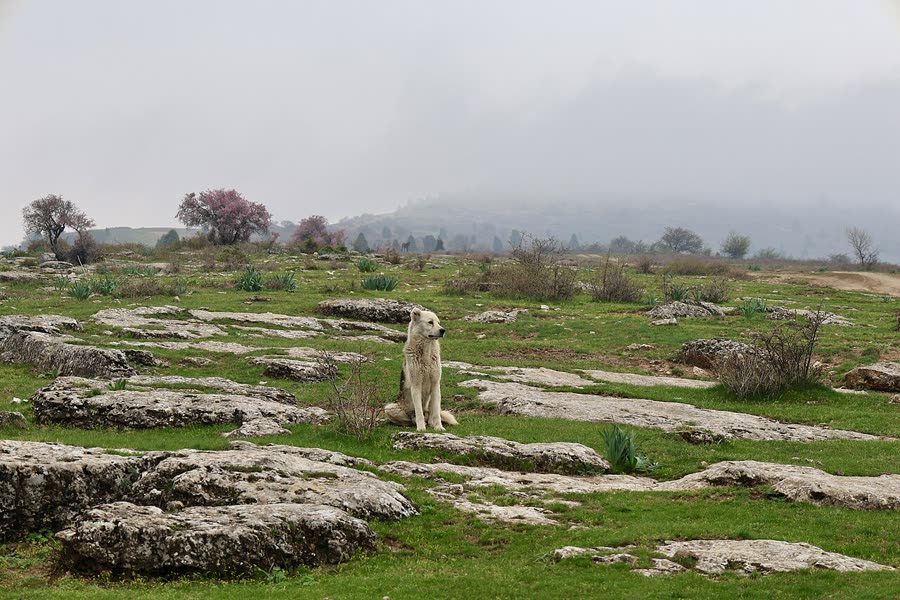
Use food to guide rather than press the body.
Sit down: Slowly move the snack up from the tip of the nose. The dog will naturally sit down in order to track the food. When it falls, reward it and say "sit". After repeating it ten times, add the command, and then gradually replace the food with gestures.
Lying down: Starting from a sitting position, guide the snack from the tip of the nose downward to between the two paws. The dog will naturally lean down to eat it. Do not press your back with your hands, as the pressure will cause the dog to stand up and resist.
Wait: This is the most practical command, used to open the door, cross the road, and get in the car. Starting from one second, reward if the dog does not move, gradually extend to ten seconds, thirty seconds, and add distance and interference. If any dimension becomes difficult, the difficulty of the other two dimensions must be reduced first.
Each training session lasts five to ten minutes, two to three times a day is more appropriate. Before the end, be sure to use a simple action that can be done so that the training ends successfully.
Continue reading
 Cats
The first week of cat ownership for novices: starter checklist and mistakes to avoid
What should I prepare before taking my cat home? How to set up the cat's litter box, what to feed in the first week, and what not to do - a list that can be followed directly.
 Dogs
Dogs Home Alone: Recognizing and Relieving Separation Anxiety
Breaking up the house, barking, waiting at the door - these are not necessarily "disobedient", but more likely separation anxiety. How to judge and how to train step by step.
 Classics
Elderly Dog Care: How to Live Comfortably in the Last Years
After age 7, joints, teeth, vision, and sleep can all change. Specific adjustments to diet, exercise, home modifications, and frequency of physical exams.