How to choose pet boarding: a checklist from monitoring to handover
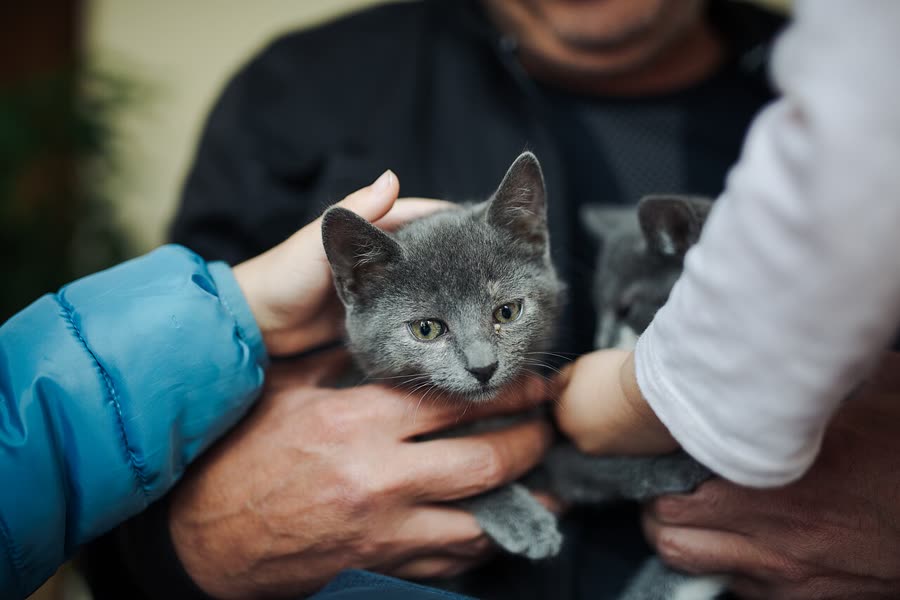
Ask for video to confirm the live feed from the camera.
The first step is to verify the qualifications: business license, animal epidemic prevention conditions certificate, and whether there is a resident veterinarian or cooperative hospital. The second step is to look at the space on the spot: the cage area, ventilation, and whether there is an independent isolation area.
The third step is to look at the management details: whether all vaccines are required, whether groups will be released for ventilation, how many times a day they will be cleaned, and whether you are allowed to bring your own food. Allowing your own food often means more careful management.
Leave a written list at handover: food intake, medication times, allergies, personality traits, and emergency contacts. It is strongly recommended to ask for videos to be sent daily rather than photos, as photos do not reflect real-time status.
The two weeks after returning home from foster care is the observation period. Stress-induced diarrhea, loss of appetite, and sneezing are common, and medical attention is required if the condition does not recover within 48 hours.
Continue reading
 Cats
The first week of cat ownership for novices: starter checklist and mistakes to avoid
What should I prepare before taking my cat home? How to set up the cat's litter box, what to feed in the first week, and what not to do - a list that can be followed directly.
 Dogs
Dogs Home Alone: Recognizing and Relieving Separation Anxiety
Breaking up the house, barking, waiting at the door - these are not necessarily "disobedient", but more likely separation anxiety. How to judge and how to train step by step.
 Classics
Elderly Dog Care: How to Live Comfortably in the Last Years
After age 7, joints, teeth, vision, and sleep can all change. Specific adjustments to diet, exercise, home modifications, and frequency of physical exams.