Pet drinking water and urinary health: three daily preventive actions
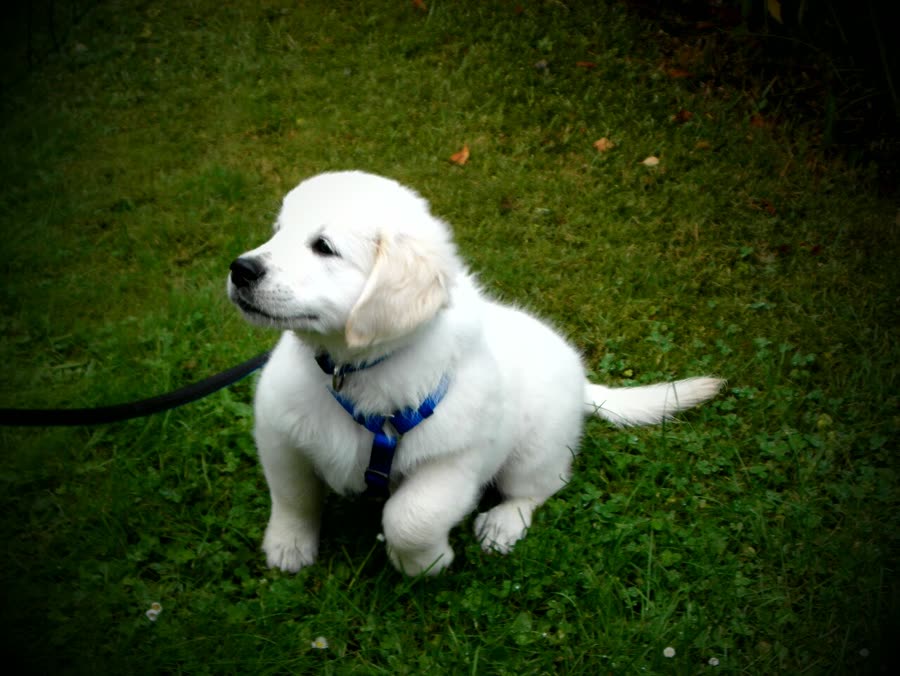
Water, weight, and sand bowl, three things determine urinary health.
First, increase the amount of water you drink. Increasing the proportion of wet food is the most direct method, followed by placing more water bowls, switching to wide-mouth shallow bowls and flowing water sources. Urinary system diseases are closely related to long-term low water intake.
Second, control your weight. The burden on the urinary system and joints of obese cats increases significantly, and maintaining a body condition score of four to five is the basic goal.
Third, optimize the cat litter box environment. The number is based on the number of cats plus one, the locations are dispersed, the cat litter is cleaned twice a day, and the cat litter is completely replaced every month. Holding in urine is the direct cause of urinary problems, and non-compliant sand basins are the number one reason for holding in urine.
If you frequently enter the sand bowl, reduce your urine output, have blood in your urine, or urinate outside the sand bowl, you need to see a doctor as soon as possible. Urinary obstruction in a male cat is an emergency and can be life-threatening if it lasts for more than 24 hours.
Continue reading
 Cats
The first week of cat ownership for novices: starter checklist and mistakes to avoid
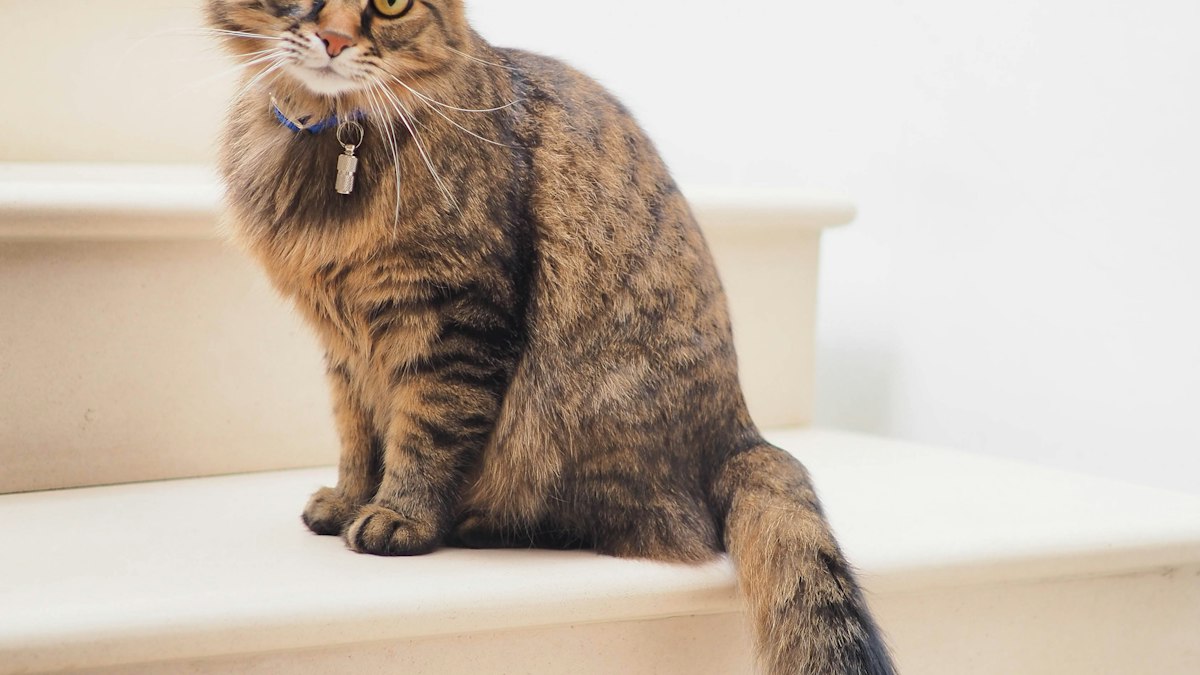
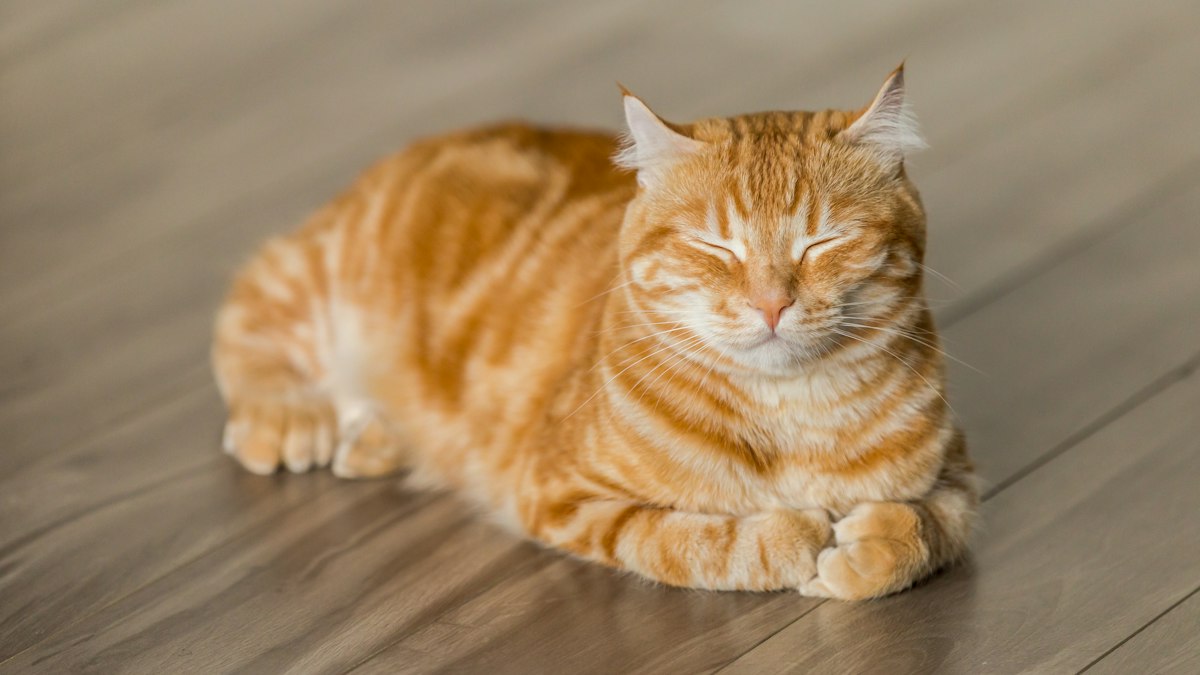
What should I prepare before taking my cat home? How to set up the cat's litter box, what to feed in the first week, and what not to do - a list that can be followed directly.
 Dogs
Dogs Home Alone: Recognizing and Relieving Separation Anxiety
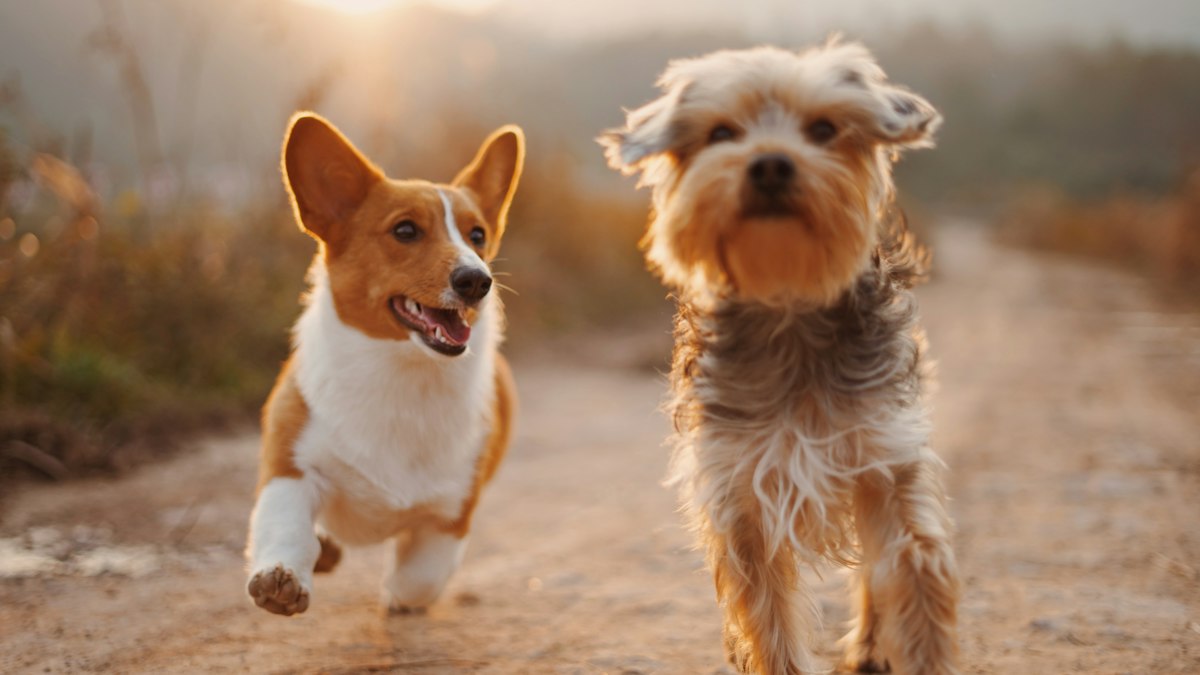
Breaking up the house, barking, waiting at the door - these are not necessarily "disobedient", but more likely separation anxiety. How to judge and how to train step by step.
 Classics
Elderly Dog Care: How to Live Comfortably in the Last Years
After age 7, joints, teeth, vision, and sleep can all change. Specific adjustments to diet, exercise, home modifications, and frequency of physical exams.