Key points for keeping chinchillas: temperature, sand bath and teeth

There is a risk of heatstroke if the temperature exceeds 28 degrees Celsius.
Chinchillas are native to the Andean plateau. Their coats are extremely dense and have poor heat dissipation capabilities. It is recommended that the ambient temperature be controlled between 15 and 24 degrees. If it exceeds 28 degrees, heat stroke will occur, and if it exceeds 30 degrees, it is considered a high risk. Air conditioning must be turned on in summer. This is a hard condition.
Sand bathing takes ten to fifteen minutes a day and uses special volcanic ash. Ordinary sand cannot effectively remove oil and can clog pores. Sand bath tubs should be screened out of debris after use and replaced regularly.
Chinchillas' teeth grow throughout their lives and need to be provided with molar wood or mineral blocks. Excessively long teeth can cause drooling, food refusal, and increased eye discharge, which are emergencies that require medical attention.
The diet is mainly timothy grass and special chinchilla food, with only a very small amount of sweets and nuts. A high-sugar diet can trigger intestinal flora imbalance, and chinchillas have more sensitive stomachs than rabbits.
Continue reading
 Cats
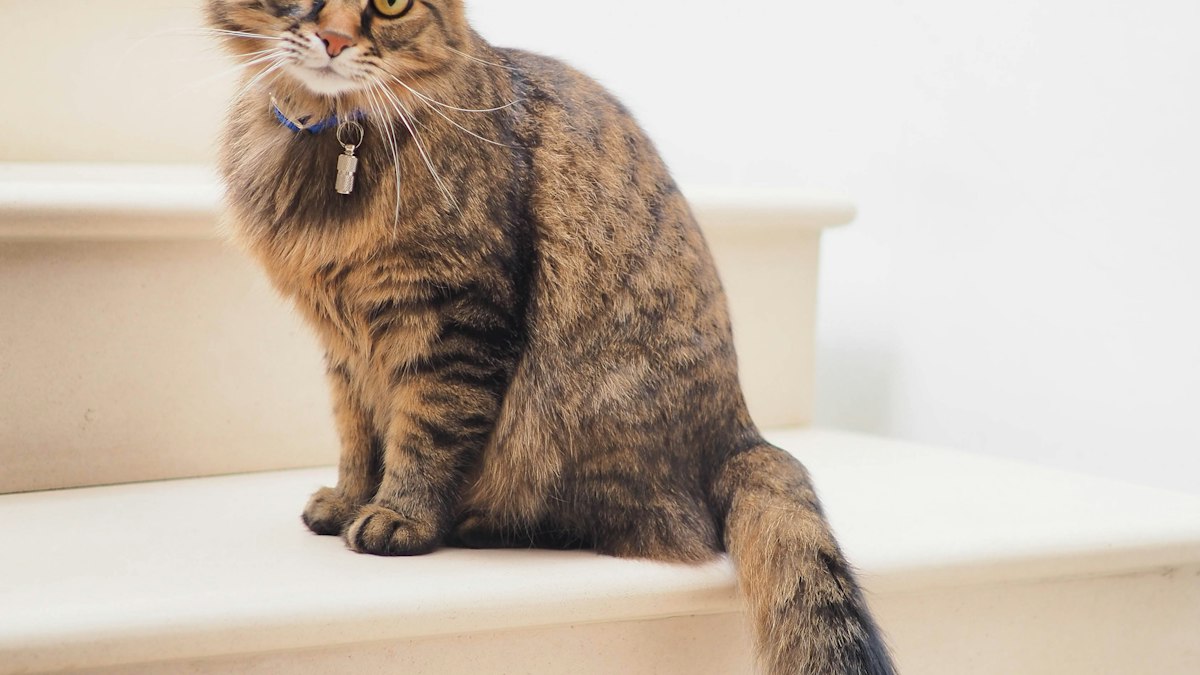
The first week of cat ownership for novices: starter checklist and mistakes to avoid
What should I prepare before taking my cat home? How to set up the cat's litter box, what to feed in the first week, and what not to do - a list that can be followed directly.
 Dogs
Dogs Home Alone: Recognizing and Relieving Separation Anxiety
Breaking up the house, barking, waiting at the door - these are not necessarily "disobedient", but more likely separation anxiety. How to judge and how to train step by step.
 Classics
Elderly Dog Care: How to Live Comfortably in the Last Years
After age 7, joints, teeth, vision, and sleep can all change. Specific adjustments to diet, exercise, home modifications, and frequency of physical exams.