Cat stress response: from puffed up to off their food

Fritting, hiding, refusing to eat, and excessive licking are all different stages of stress.
There are three levels of stress in cats. Mild symptoms include fried hair, pressed ears, and rapid tail wagging, which usually recover on their own within a few minutes; moderate symptoms include hiding in a cupboard or under the bed without eating for more than 12 hours; severe symptoms include continuous vomiting, shortness of breath, and not drinking water for more than 24 hours.
The principle of dealing with mild stress is to "reduce variables": turn off the TV, close the curtains, ask the visitor out, and give it a closed and dark place. Do not forcefully hold the cat out for comfort. Human comfort is often a secondary stimulus to the cat.
It is recommended to seek medical treatment if the symptoms are moderate or above. Continuous stress can induce feline lower urinary tract syndrome, especially in male cats. Once the cat frequently enters the litter box but cannot urinate, it is an emergency and may be fatal if it exceeds 24 hours.
Continue reading
 Cats
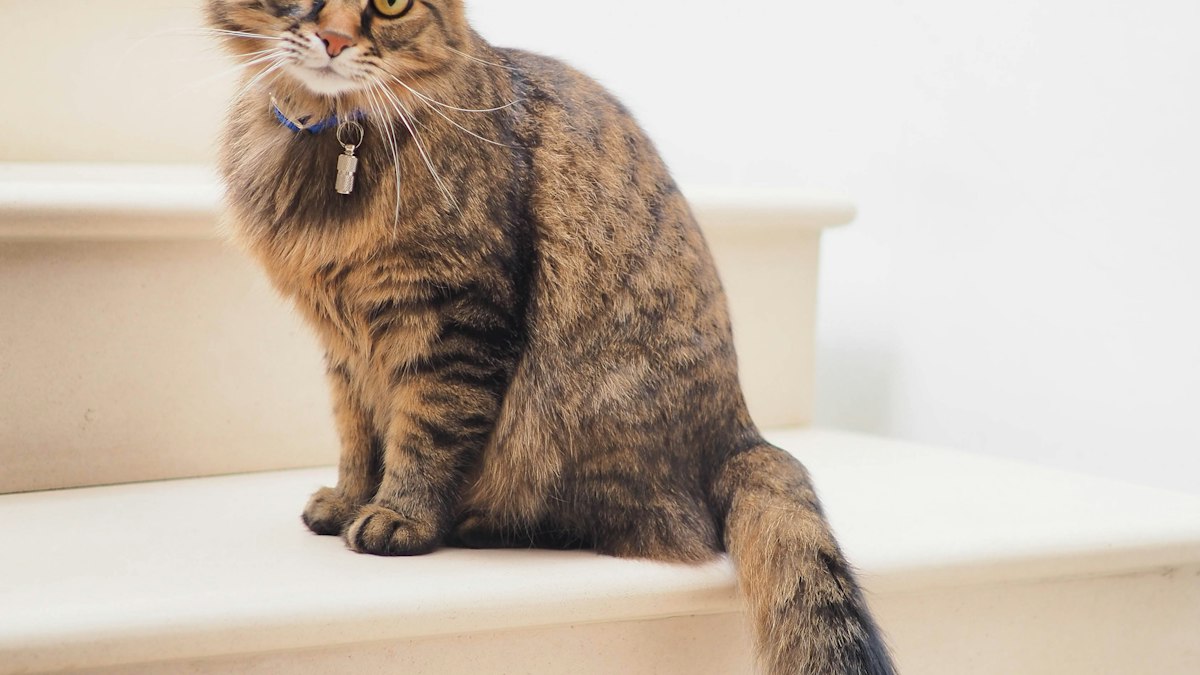
The first week of cat ownership for novices: starter checklist and mistakes to avoid
What should I prepare before taking my cat home? How to set up the cat's litter box, what to feed in the first week, and what not to do - a list that can be followed directly.
 Dogs
Dogs Home Alone: Recognizing and Relieving Separation Anxiety
Breaking up the house, barking, waiting at the door - these are not necessarily "disobedient", but more likely separation anxiety. How to judge and how to train step by step.
 Classics
Elderly Dog Care: How to Live Comfortably in the Last Years
After age 7, joints, teeth, vision, and sleep can all change. Specific adjustments to diet, exercise, home modifications, and frequency of physical exams.