The language of a dog’s tail: lift, clamp and swing speed
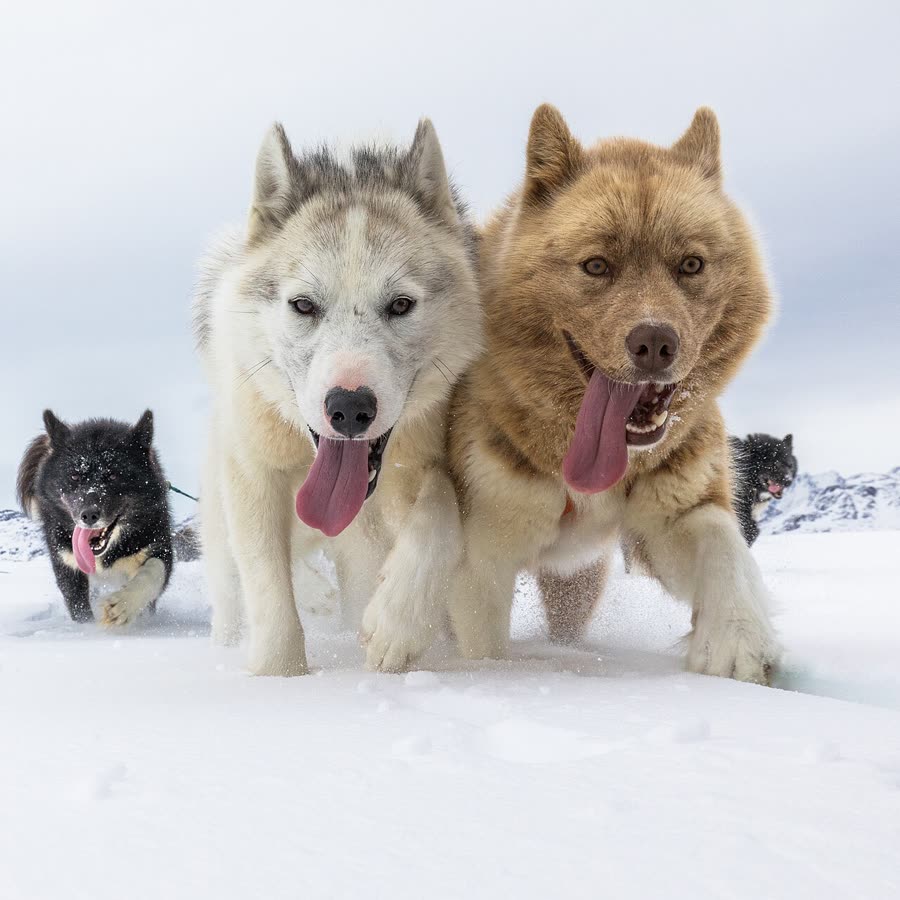
Swinging faster is not necessarily happier.
A tail held high and wagging quickly and slowly usually indicates high excitement or alertness, not necessarily friendliness; a tail held between the legs indicates fear or obedience; a natural high, large and slow wagging is a relaxed state.
The resting position of the tail is affected by the breed. Shiba Inu and Husky are born with curly or high tails, so it needs to be judged by relative position rather than absolute height. The focus of observation is the change of the tail relative to its usual position.
In a social scene, a dog with a stiff tail held high and a body leaning forward is a high-risk signal. At this time, you should keep your distance and avoid approaching from the front.
Tail-docked breeds (such as some Corgis and Dobermans) lack this set of signals and are easily misread during dog socialization. Owners need to take more active control of the situation.
Continue reading
 Cats
The first week of cat ownership for novices: starter checklist and mistakes to avoid
What should I prepare before taking my cat home? How to set up the cat's litter box, what to feed in the first week, and what not to do - a list that can be followed directly.
 Dogs
Dogs Home Alone: Recognizing and Relieving Separation Anxiety
Breaking up the house, barking, waiting at the door - these are not necessarily "disobedient", but more likely separation anxiety. How to judge and how to train step by step.
 Classics
Elderly Dog Care: How to Live Comfortably in the Last Years
After age 7, joints, teeth, vision, and sleep can all change. Specific adjustments to diet, exercise, home modifications, and frequency of physical exams.