Dog age conversion: why the seven times method is inaccurate
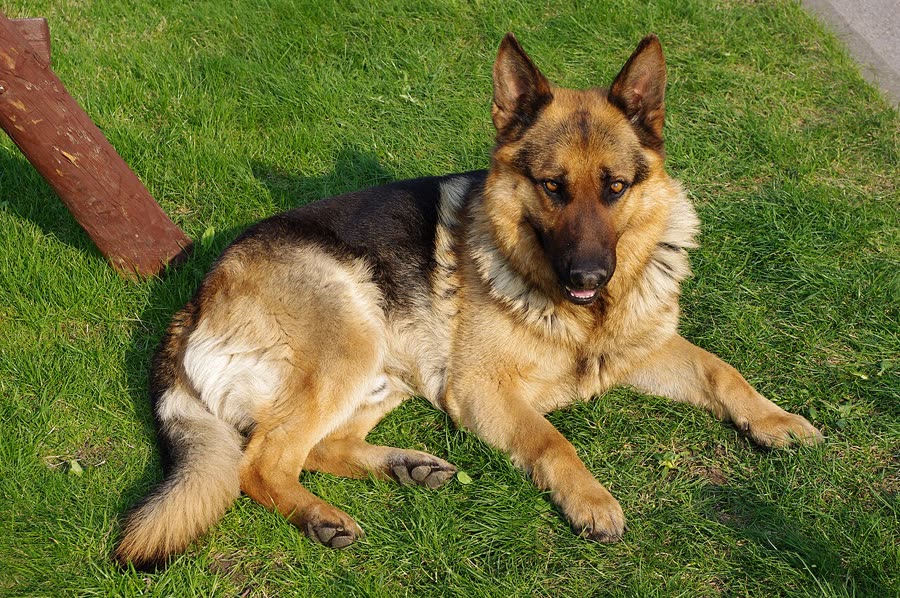
The first year is equivalent to fifteen human years, and then it decreases year by year.
A closer conversion method is: one dog year is equal to approximately fifteen human years; two years is approximately equal to twenty-four years; and each dog year thereafter is approximately equal to four to five human years. Size has a big impact, with small dogs living longer and larger dogs aging faster.
Divided by body size: small dogs (under ten kilograms) have an average life span of twelve to sixteen years, and enter old age at seven years old; medium-sized dogs live ten to fourteen years, and enter old age at six and a half years old; large dogs live eight to twelve years, and enter old age at five to six years old.
The practical value of this conversion lies in the frequency of physical examinations. It is recommended that older dogs undergo a physical examination every six months, with key items including the heart, joints, kidneys, thyroid and oral cavity.
In addition, exercise intensity should be adjusted according to age. Elderly dogs are not suitable for sudden long-distance running, but not exercising at all will accelerate muscle loss. Maintaining regularity in daily walks is more important than intensity.
Continue reading
 Cats
The first week of cat ownership for novices: starter checklist and mistakes to avoid
What should I prepare before taking my cat home? How to set up the cat's litter box, what to feed in the first week, and what not to do - a list that can be followed directly.
 Dogs
Dogs Home Alone: Recognizing and Relieving Separation Anxiety
Breaking up the house, barking, waiting at the door - these are not necessarily "disobedient", but more likely separation anxiety. How to judge and how to train step by step.
 Classics
Elderly Dog Care: How to Live Comfortably in the Last Years
After age 7, joints, teeth, vision, and sleep can all change. Specific adjustments to diet, exercise, home modifications, and frequency of physical exams.