How to choose a cat bowl: plastic, ceramic, stainless steel

Shallow, wide and heavy are the three key words.
Plastic bowls are lightweight but prone to scratches and bacteria, and some cats may develop chin acne due to the ingredients in plastic; ceramic bowls are heavy and easy to clean, but the disadvantage is that inferior glaze may contain lead; stainless steel bowls are durable, and food grade 304 is a common choice.
In terms of shape, shallow, wide dishes are more suitable for cats than deep bowls. Cat's whiskers are sensitive to contact with the bowl wall. Using a deep bowl with a narrow mouth for a long time will cause "whisker fatigue", which is manifested as eating food on the ground.
Water bowls and food bowls should be placed separately, preferably at least one meter apart. Cats will not drink near food in the wild, and getting too close can lead to a decrease in water intake, which can lead to urinary system problems in the long run.
In terms of quantity, prepare the number of cats plus one, and clean them once a day. Cats have an extremely sensitive sense of smell, and the lingering smell of old food can be enough to make them refuse to eat.
Continue reading
 Cats
The first week of cat ownership for novices: starter checklist and mistakes to avoid
What should I prepare before taking my cat home? How to set up the cat's litter box, what to feed in the first week, and what not to do - a list that can be followed directly.
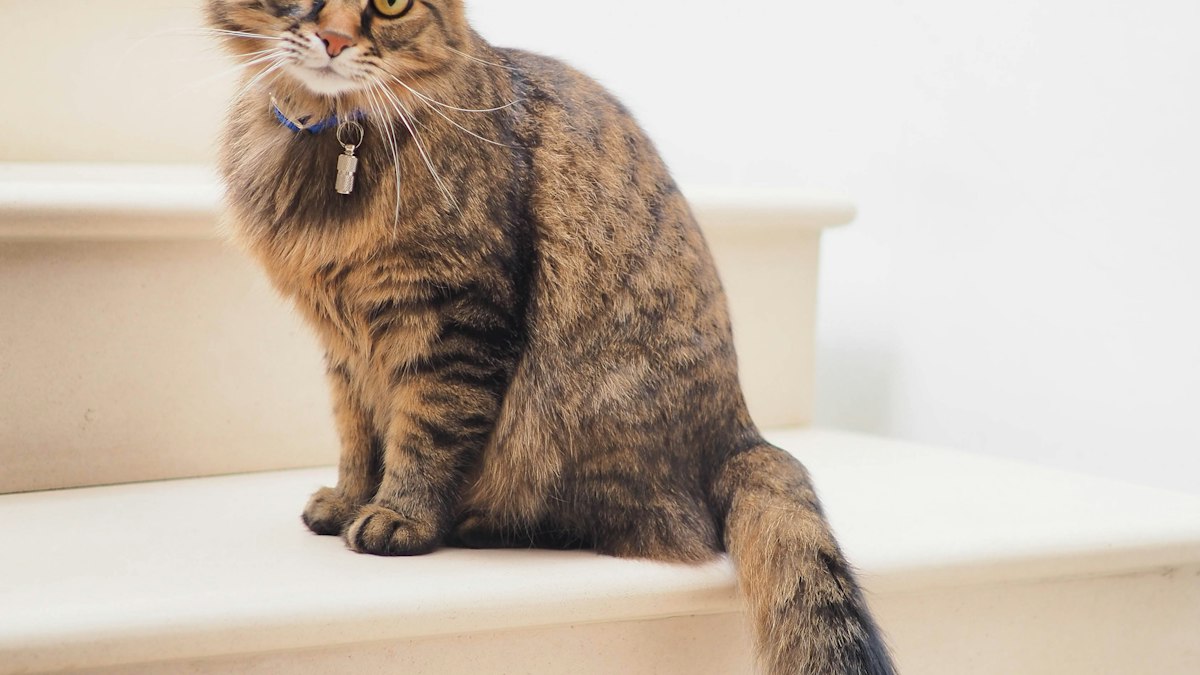 Dogs
Dogs Home Alone: Recognizing and Relieving Separation Anxiety
Breaking up the house, barking, waiting at the door - these are not necessarily "disobedient", but more likely separation anxiety. How to judge and how to train step by step.
 Classics
Elderly Dog Care: How to Live Comfortably in the Last Years
After age 7, joints, teeth, vision, and sleep can all change. Specific adjustments to diet, exercise, home modifications, and frequency of physical exams.