Budgies: the basics every owner should know
Budgie (scientific name: Melopsittacus undulatus; English: Budgerigar), also known as Jiaofeng, Asur, Caifeng, is the only species of the genus Budgie in the order Psittaciformes, family Parrotidae.本物種為澳洲的特有…
Budgie (scientific name: Melopsittacus undulatus; English: Budgerigar), also known as Jiaofeng, Asur, Caifeng, is the only species of the genus Budgie in the order Psittaciformes, family Parrotidae. This species is one of Australia's unique herbivorous birds. Its main characteristics are the black horizontal stripes on its head and back, combined with yellow and green colors. Although this species was first described by George Shaw in 1805, it gradually became known after John Gould brought a pair of live specimens back to Europe. Today it is one of the most commonly kept pet birds in the world. Budgies are native to arid areas of the Australian outback and feed mainly on local herbs and seeds. Their groups will chase water sources and move semi-regularly. Although they can breed throughout the year, they also depend on whether it rains. Once it rains, they often form large groups to look for food and start breeding. Its breeding is monogamous, and it often uses existing tree holes or nest boxes to breed. The female incubates the eggs alone after laying 4-8 eggs. The chicks hatch in about 16-20 days. After being cared for by their parents for 30-35 days, they can leave the nest and learn to fly and live independently. As a pet bird with a long history, there are many bred budgerigars today, which differ from the original wild species in size, color and feather characteristics. Although there is no systematic survey on the number of its wild population, it is speculated that the number has increased due to environmental degradation and the spread of artificial water sources. Therefore, the budgerigar is listed as a species of least concern in the "International Union for Conservation of Nature Red List of Threatened Species" and is also one of the few parrots not protected by the Convention on International Trade in Endangered Species of Wild Fauna and Flora.
Continue reading
 Cats
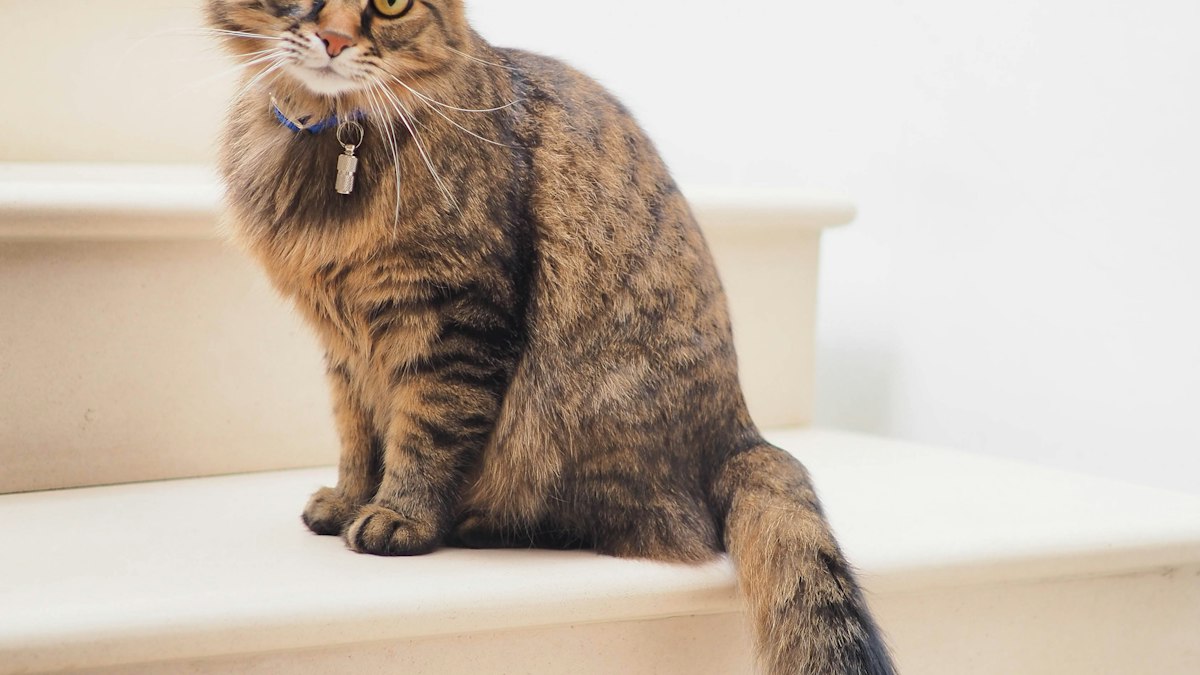
The first week of cat ownership for novices: starter checklist and mistakes to avoid
What should I prepare before taking my cat home? How to set up the cat's litter box, what to feed in the first week, and what not to do - a list that can be followed directly.
 Dogs
Dogs Home Alone: Recognizing and Relieving Separation Anxiety
Breaking up the house, barking, waiting at the door - these are not necessarily "disobedient", but more likely separation anxiety. How to judge and how to train step by step.
 Classics
Elderly Dog Care: How to Live Comfortably in the Last Years
After age 7, joints, teeth, vision, and sleep can all change. Specific adjustments to diet, exercise, home modifications, and frequency of physical exams.