Animal Behavior Myths: None of These Five Statements Are Accurate
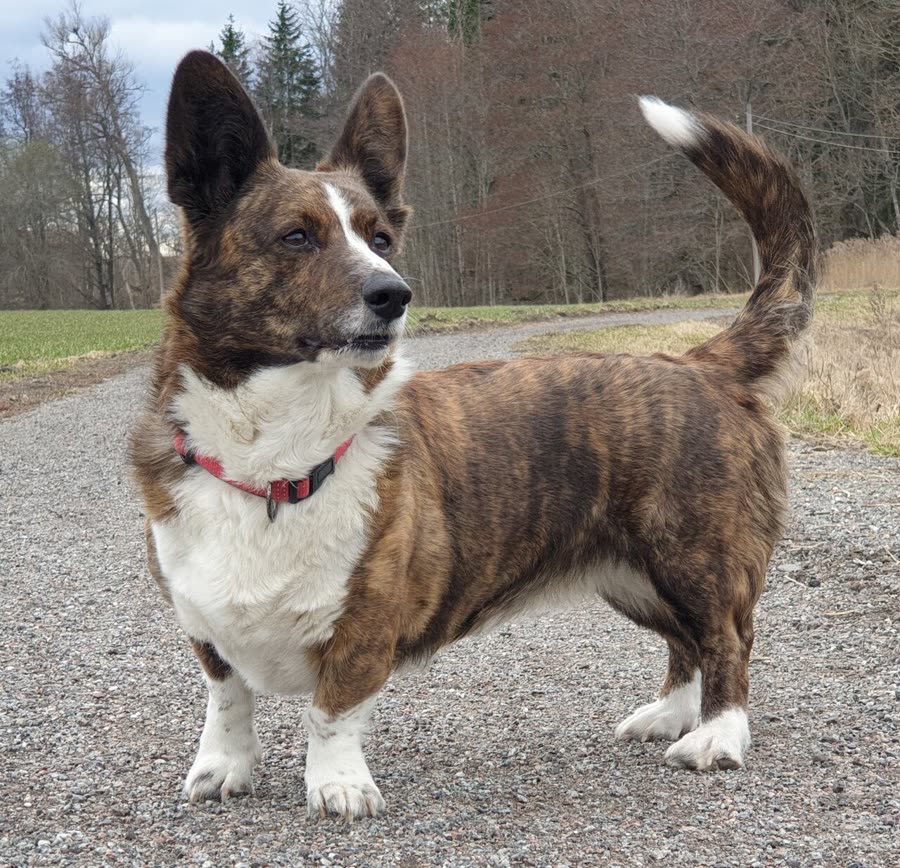
Yawning does not mean sleepiness, and tail wagging does not mean happiness.
First, "a dog wagging its tail means it is happy." The height and swing range of the tail are key. A high, stiff, and fast swing is often a sign of nervousness or alertness. Second, "Cats purring means they are comfortable." Cats also purr when in pain and stress as a self-soothing mechanism.
Third, "dogs feel guilty when they do bad things." The so-called guilty expression is a placating behavior, a reaction to the owner's tone, rather than a sign of regret for one's actions. Fourth, "Cats are less loyal than dogs." Cats have a different way of socializing. They establish connections with territories and resources, and their expression is more subtle.
Fifth, "Rabbits don't need to drink water." Rabbits need to drink a lot of water every day, and dehydration is a common cause of intestinal stagnation. Changing the water bowl to a rollerball bottle will actually reduce the amount of water you drink.
Understanding the biological basis of behavior can avoid a lot of unnecessary punishment and misunderstanding. The principle of handling behavioral problems is always to first determine the motivation and then design a plan.
Continue reading
 Cats
The first week of cat ownership for novices: starter checklist and mistakes to avoid
What should I prepare before taking my cat home? How to set up the cat's litter box, what to feed in the first week, and what not to do - a list that can be followed directly.
 Dogs
Dogs Home Alone: Recognizing and Relieving Separation Anxiety
Breaking up the house, barking, waiting at the door - these are not necessarily "disobedient", but more likely separation anxiety. How to judge and how to train step by step.
 Classics
Elderly Dog Care: How to Live Comfortably in the Last Years
After age 7, joints, teeth, vision, and sleep can all change. Specific adjustments to diet, exercise, home modifications, and frequency of physical exams.