Dogs sniff the butts of their own kind: This is not rude, it’s an ID card
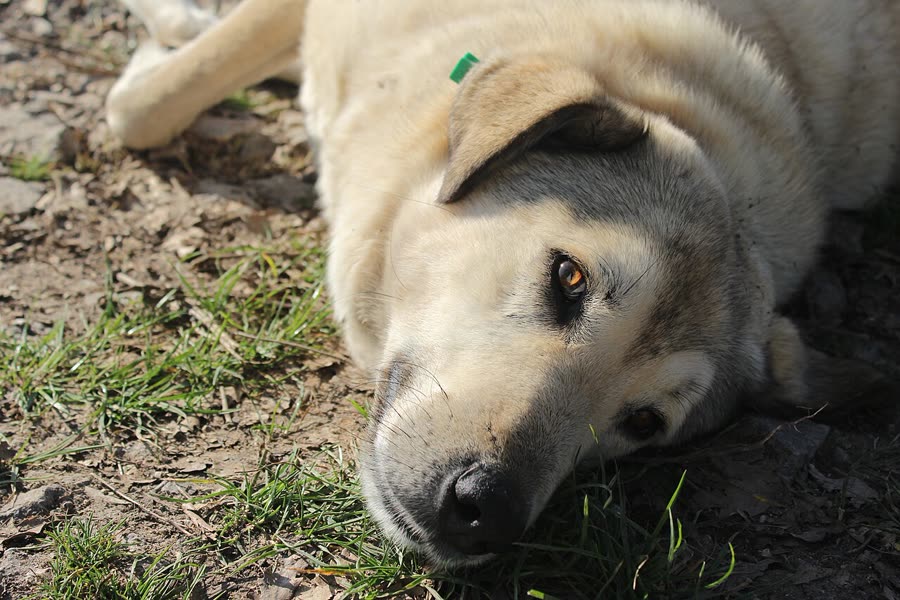
Scent glands provide a complete social profile.
A dog's anal gland secretions contain a wealth of individual information, including gender, age, health and emotional state. Sniffing each other is equivalent to exchanging identity information and is a necessary part of canine socialization.
Interrupting sniffing will cause the dog to lose the opportunity to socialize, and in the long run it is prone to loss of social skills, manifested as over-excitement or fearful reactions. The correct approach is to keep the leash loose and give about thirty seconds to complete the exchange.
Abnormal signs to watch for are frequent licking or butt rubbing, which may indicate a blocked anal gland or infection that requires veterinary attention, rather than a behavioral problem.
During puppyhood, more exposure to adult dogs with stable personalities can significantly improve social skills. The amount of information this kind of contact brings is far more than a random run in the park.
Continue reading
 Cats
The first week of cat ownership for novices: starter checklist and mistakes to avoid
What should I prepare before taking my cat home? How to set up the cat's litter box, what to feed in the first week, and what not to do - a list that can be followed directly.
 Dogs
Dogs Home Alone: Recognizing and Relieving Separation Anxiety
Breaking up the house, barking, waiting at the door - these are not necessarily "disobedient", but more likely separation anxiety. How to judge and how to train step by step.
 Classics
Elderly Dog Care: How to Live Comfortably in the Last Years
After age 7, joints, teeth, vision, and sleep can all change. Specific adjustments to diet, exercise, home modifications, and frequency of physical exams.