Dogs in cars: motion sickness, anxiety and safety immobilization
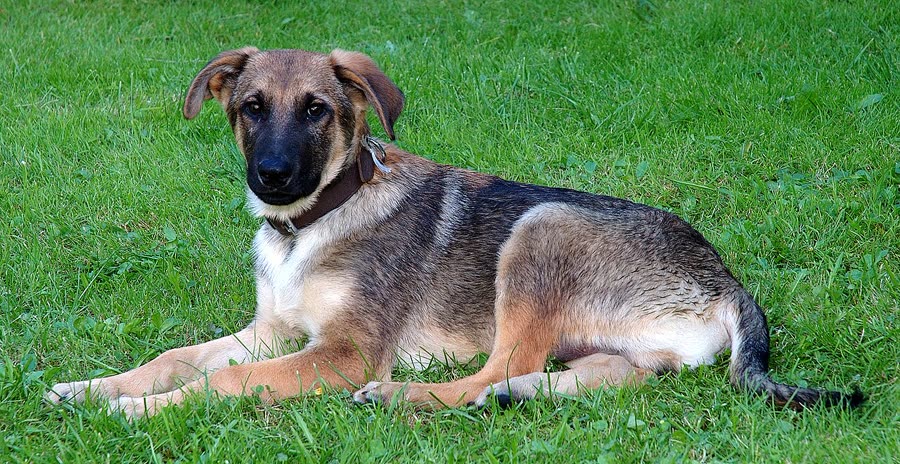
Fasting two hours before takeoff is the most effective trick.
The physiological cause of motion sickness in dogs is similar to that in humans. The vestibular system of the inner ear is affected by irregular shaking. The treatment method is to stop eating two hours before departure, keep the car ventilated and the temperature low when driving, and stop and rest every two hours on the way.
Anxiety-type restlessness manifests itself as panting, drooling, howling, and pacing back and forth in the back seat, which is different from the vomiting and yawning symptoms of motion sickness. This type requires desensitization in advance: first stay in a stationary car for ten minutes, then start the engine without running, and gradually drive short distances.
In terms of safe fixation, an air box is the most secure solution. The box is placed on the rear floor mats or in the trunk to fix it. A seatbelt-style harness is a second choice to prevent your dog from sitting in the passenger seat, where airbags can cause serious injury.
Before traveling for the first time, it is recommended to take a short test drive and observe the reaction before deciding whether you need a doctor to prescribe motion sickness or sedative medication.
Continue reading
 Cats
The first week of cat ownership for novices: starter checklist and mistakes to avoid
What should I prepare before taking my cat home? How to set up the cat's litter box, what to feed in the first week, and what not to do - a list that can be followed directly.
 Dogs
Dogs Home Alone: Recognizing and Relieving Separation Anxiety
Breaking up the house, barking, waiting at the door - these are not necessarily "disobedient", but more likely separation anxiety. How to judge and how to train step by step.
 Classics
Elderly Dog Care: How to Live Comfortably in the Last Years
After age 7, joints, teeth, vision, and sleep can all change. Specific adjustments to diet, exercise, home modifications, and frequency of physical exams.