Dog summer heat stroke: ten minutes from early warning to first aid
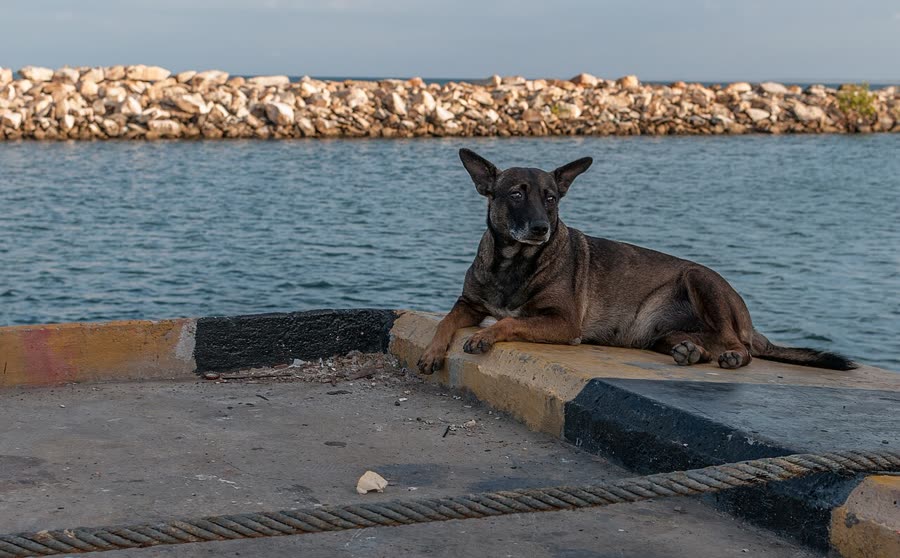
A temperature over 40 degrees is an emergency.
Dogs mainly rely on panting to dissipate heat. Short-nosed breeds (French Bulldogs, Pugs, and Bulldogs) have extremely low heat dissipation efficiency and are high-risk breeds for heatstroke. Dangerous scenes include: walking the dog at noon, being in a closed car, and being forced to follow while running.
Warning signs include: heavy panting, excessive drooling, unsteady gait, and red gums. When it develops into vomiting, convulsions, and confusion, it is a life-threatening stage.
First aid sequence: Immediately move to a cool place, wet the abdomen, armpits, groin and paw pads with room temperature water, and use a fan to blow. Do not use ice water or ice cubes. Rapid cooling will cause blood vessels to constrict and hinder heat dissipation. Get medical attention as soon as possible.
As a precaution, do not walk your dog when the surface temperature exceeds 40 degrees, as the paw pads may be burned. Adjust your dog walking time to early morning and after sunset, and bring water with you.
Continue reading
 Cats
The first week of cat ownership for novices: starter checklist and mistakes to avoid
What should I prepare before taking my cat home? How to set up the cat's litter box, what to feed in the first week, and what not to do - a list that can be followed directly.
 Dogs
Dogs Home Alone: Recognizing and Relieving Separation Anxiety
Breaking up the house, barking, waiting at the door - these are not necessarily "disobedient", but more likely separation anxiety. How to judge and how to train step by step.
 Classics
Elderly Dog Care: How to Live Comfortably in the Last Years
After age 7, joints, teeth, vision, and sleep can all change. Specific adjustments to diet, exercise, home modifications, and frequency of physical exams.