Sphynx Cat: temperament, care essentials & FAQs
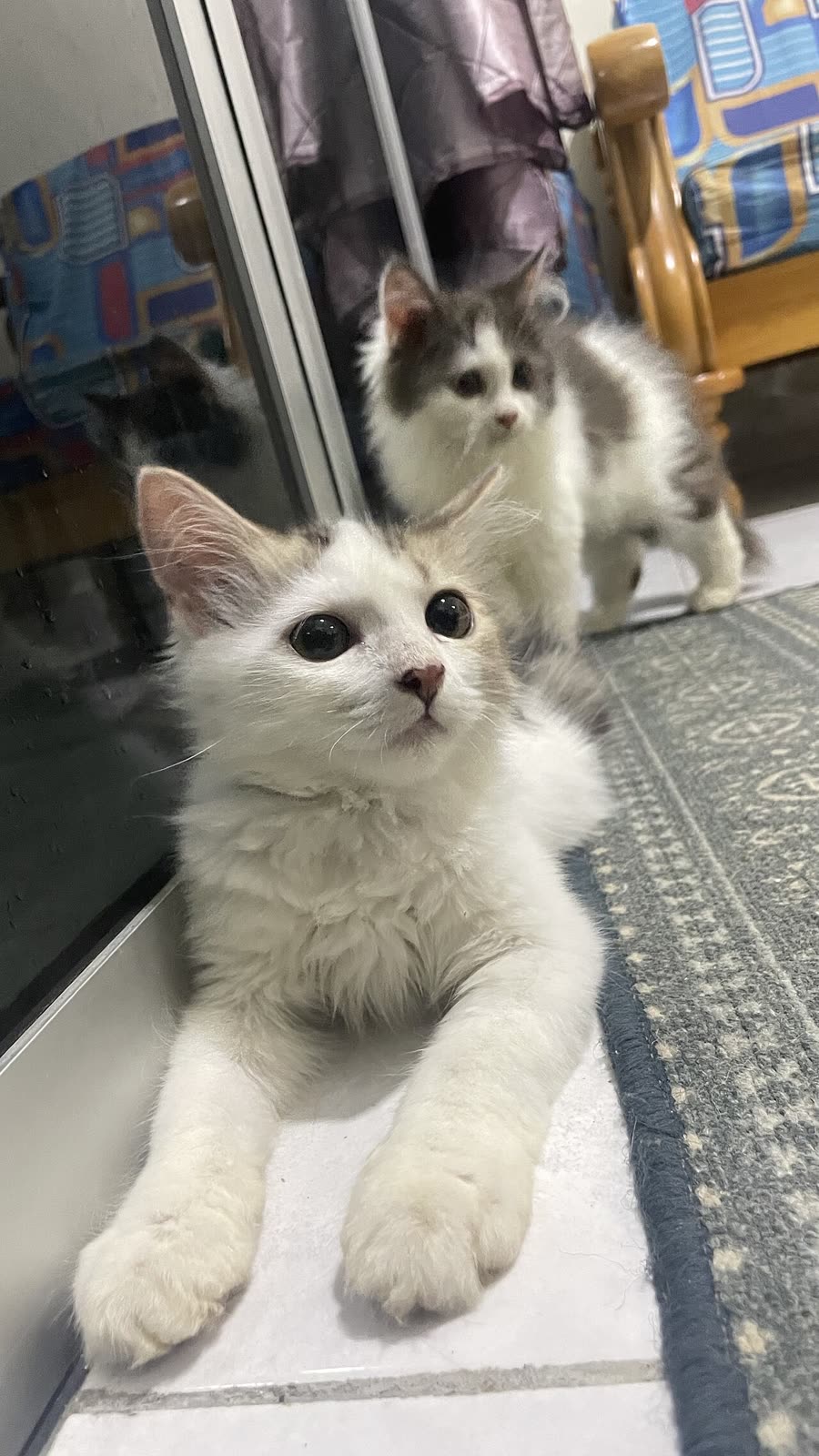
Sphynx is also known as the Canadian hairless cat. This cat breed is caused by a genetic mutation. It weighs 3.5 to 7 kilograms, has strong muscles, sparse hair, and skin folds like antelope skin. The head is sharply angular. Slightly triangular. The eyes are large and lemon-shaped, and most...
Sphynx is also known as the Canadian hairless cat. This cat breed is caused by a genetic mutation. It weighs 3.5 to 7 kilograms, has strong muscles, sparse hair, and skin folds like antelope skin. The head is sharply angular. Slightly triangular. The eyes are large and lemon-shaped, mostly golden in color. The upper corners of the eyes are slanted toward the ears, and the distance between them is wide. This is a cat that is very sensitive to sunlight. There are many records about hairless cats in history. But it wasn’t until the breed was successfully acquired at cat shows that people began to take notice and become interested in it. The TlCA recognizes the breed, but the CFA and FIFE refuse to recognize the breed. This kind of cat is currently a rare breed. Sphynx cats are lively, playful, independent, non-aggressive and can get along with other dogs and cats. They are affectionate and hope to be favored by their masters. Because they are hairless and have poor ability to regulate external temperature, they are afraid of both cold and heat. Different from other cats, this breed of cat can sweat and is sensitive to sunlight (long-term direct sunlight should be avoided). This kind of cat is suitable for keeping in apartments. Female cats go into estrus no more than twice a year. The birth mortality rate of kittens is high. The skin of newborn kittens has many wrinkles, and the hair on the spine disappears with age. Owners should take care of their cats' ears regularly to prevent ear inflammation or ear mites from breeding.
Continue reading
 Cats
The first week of cat ownership for novices: starter checklist and mistakes to avoid
What should I prepare before taking my cat home? How to set up the cat's litter box, what to feed in the first week, and what not to do - a list that can be followed directly.
 Dogs
Dogs Home Alone: Recognizing and Relieving Separation Anxiety
Breaking up the house, barking, waiting at the door - these are not necessarily "disobedient", but more likely separation anxiety. How to judge and how to train step by step.
 Classics
Elderly Dog Care: How to Live Comfortably in the Last Years
After age 7, joints, teeth, vision, and sleep can all change. Specific adjustments to diet, exercise, home modifications, and frequency of physical exams.